
When is common app due- November 1st. It’s arguably the first major deadline in the college admissions world, and for many students, it’s their first real taste of college admission stress. But here’s a question that’s been on my mind as I researched Common App deadlines: Is the deadline really the deadline? After diving into expert insights from Andrew Hoffman, a former director of admissions at highly selective colleges who actually set these deadlines and built the systems that process applications, I discovered that deadline flexibility is more nuanced than most students realize. If you’re navigating Common App deadlines for the first time, understanding what these dates really mean—and what happens if you miss them—can save you from unnecessary panic. Here’s everything I learned about Common App deadlines in 2026.
When is Common App Due in 2026?
What You’ll Learn
- Exact timing for November 1st, November 15th, December 1st, and January deadlines
- The difference between published deadlines and close dates
- Grace periods colleges actually provide
- What happens if you miss a deadline
- How material submission works for transcripts and recommendations
- Time zone considerations when submitting
- Strategic timing advice from a former admissions director
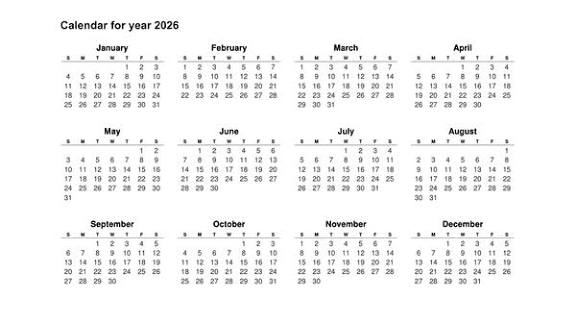
November 1st: The First Major Deadline
According to Andrew Hoffman’s explanation, when a college says their early action or early decision deadline is November 1st, that usually means the application itself through Common App is due by 11:59 p.m. in the college’s time zone on that date.
He noted that he sees this question over and over, year after year. And no, it is not 11:59 p.m. the night before. It’s the last minute of the day of the deadline—and importantly, in the college’s time zone.
Time Zone Math Matters
This is something I hadn’t considered until Andrew pointed it out: if you’re in California applying to a college in New York, that November 1st deadline is actually 8:59 p.m. in your time zone, not 11:59 p.m.
His advice for students who are “time zone challenged” like him: just Google this calculation with plenty of time to spare. Don’t leave this to the last minute when you’re already stressed about submitting.
The Behind-the-Scenes Truth About Deadlines
Published Date vs. Close Date
Here’s something that really surprised me during my research. Andrew revealed a behind-the-scenes truth about how deadlines actually work: there’s a published public deadline as well as a close date.
He explained that you’ll never know what the close date is because it’s a question asked of member colleges by Common App. Essentially, Common App asks colleges: “What is your public date that you want us to list? And then what’s your close date when your application actually closes and we will no longer receive submissions for you?”
According to Andrew, that close date is usually a couple of days after the published date, maybe even a week or two in the case of regular decision.
However, he cautioned that colleges can very well make the decision that their published date and their close date are the exact same thing. So you can’t assume there’s always grace period built in.
What Happens If You Miss the Close Date
If you miss this close date—meaning you literally cannot submit your application through the system—you’ll have to write to the admissions office and ask for an extension. Whether or not that’s granted is up to the college.
The Human Element in Admissions
Admission Offices Understand Life Happens
Here’s what really stood out to me in Andrew’s explanation: “Admission offices are filled with humans and we do human things like get into car accidents or have sick family members or possibly just miss the deadline because life happens.”
He also mentioned that there are things beyond anyone’s control: natural disasters, technical glitches, or your computer insisting on updating at the very last moment when you’re trying to submit that application right against the deadline. As he put it: “We have seen it all.”
At the colleges where Andrew worked, they automatically accepted applications that came in between the published date and the close date. No questions asked.
Does Submitting After the Published Deadline Look Bad?
This was a question I had, and Andrew addressed it directly. He knows people wonder: Does that look bad? Is there any negative consequence to submitting my application after the deadline? Won’t they just throw out my application?
His answer from nearly two decades of college admission work: No. But he clarified that he can’t possibly speak for thousands of colleges, so could the answer be yes at some institutions? Absolutely. But most likely, it’s no.
What to Do If You Miss a Deadline
The Proper Protocol
Andrew’s advice if you miss the deadline was straightforward and practical:
- Don’t panic
- Submit your application anyway
- Email the admissions office immediately and explain the situation
- If your school counselor can vouch for you by contacting the regional admissions officer, even better
Ask Permission If You Have Time
If you have time to ask for permission before submitting the application late, absolutely do it. But Andrew acknowledged that sometimes we don’t have time for this.
He gave a specific example: in some years, November 15th falls on a Saturday, and no one is checking their email most likely on a Saturday. They will typically start responding to those emails and answering phones on Monday.
He noted that when he directed admissions, he actually answered a lot of these questions on Saturday, but that was just him—you can’t have that expectation for others.
November 15th: The Small Liberal Arts College Deadline
November 15th is a big deadline for many small liberal arts colleges offering early action and early decision. According to Andrew, if you’re applying to one of these schools, just like November 1st, be sure your application is polished and you’re ready to submit.
Can You Wait Until the Actual Deadline?
Andrew was clear: “Can you wait until the actual application deadline to submit? Absolutely. Technically, yes. But it’s going to be a more stressful experience for you.”
His professional opinion: It’s probably just better for your mental health and considering all the technical glitches that could occur to submit the application maybe a day or two in advance.
This advice really resonated with me during my research. Why add unnecessary stress when you can submit early and have peace of mind?
December 1st: The Merit Scholarship Deadline
December 1st is a big date for a lot of merit scholarship applications, according to Andrew’s explanation. The situation varies significantly by school:
Three Different Scenarios
Automatic consideration: Some schools—and Andrew said he’d probably say most schools at this point—automatically consider you for merit scholarships without separate applications.
Separate scholarship application: There are other colleges like Vanderbilt University (where Andrew works) that actually have a separate application that’s due on December 1st.
Dual deadline quirk: Then there are other colleges with what Andrew called “sort of this dual deadline.” Regular decision might be due in January, but if you’re applying for merit scholarships, your merit scholarship application is due December 1st, AND you have to submit your regular decision application on December 1st as well.
Andrew described this as “kind of a quirk in the entire process” and emphasized: be sure to read the fine print for each school you’re applying to.
January 1st: The Biggest Week of the Year
Regular Decision Rush
According to Andrew, the week of January 1st is “the biggest day/week of the year”—this is when all regular decision applications are typically due. He noted this might bleed further into January, with lots of application deadlines around January 15th, but that first week is probably the big one.
The Holiday Challenge
Here’s something important Andrew pointed out: colleges are closed around New Year’s Eve and New Year’s Day. So if you have last-minute questions about application fee waivers or maybe word limits for your essays, you’re probably not going to get answers during that time period.
Treat December 15-20 as Your Real Deadline
Andrew’s best advice: Treat maybe December 15th or even December 20th as your deadline. Get your questions answered by the admissions office when they’re still answering the phone before the winter holiday break.
As he put it: “You’ll thank yourself later.”
This is incredibly practical advice that I wish I’d known about when researching this process. Don’t wait until offices are closed to realize you have questions.
Materials Sent by Your School
The Grace Period for Recommendations and Transcripts
One concern many students have is about materials sent by their school—things like letters of recommendation, high school transcripts, or the counselor report. According to Andrew, the good news is that almost every college provides leeway and a grace period for receiving this information.
Why Colleges Offer This Flexibility
Andrew explained the reasoning: teachers and school counselors have dozens, if not maybe even hundreds, of students for whom they are submitting these documents. Colleges expect that these materials will trickle in a few days after the deadline.
How Long Is the Grace Period?
It’s usually not weeks of a grace period, especially for early action and early decision. Admission officers need to read those applications as soon as possible. According to Andrew, it might be a few days after that deadline, maybe even a week, but probably not more than that.
Always Check Individual College Policies
Andrew emphasized: Always double-check each college’s policy. They might have emailed this information to you or it might be on their website.
He added a somewhat humorous but honest note: “A handful of schools are very strict, and if you miss that deadline, including those application materials from your school, you’ve probably missed your chance. Or maybe they’re just saying that to instill fear into teenagers. We’ll probably never know.”
After You Submit: The Portal Waiting Game
What Happens After Submission
Andrew described what happens after you hit submit: “After submitting your application, you’ll get confetti. Yay. But then you’ll wait for your login credentials for your application portal, and that might take a couple of days.”
Don’t Panic About Missing Materials
When you finally log into your application portal, you might see missing materials. Instead of the friendly green checkmarks, you might see the dreaded red X’s.
Andrew’s advice: Don’t panic. That is completely normal.
Why Materials Take Time to Show Up
He explained the behind-the-scenes process: between Naviance and score uploads, Common App transfers, opening physical mail (which yes, still happens), and internal file matching from an admissions inbox to an application record, it takes time to connect these documents to your individual record.
Real Processing Times
At Swarthmore, a small liberal arts college with relatively few applications compared to some national universities, Andrew said they were processing hundreds of application materials every single day after the deadline. Sometimes it would take up to two weeks to complete that entire process.
When to Reach Out
Andrew’s pro tip: if something is missing, especially if it’s outside of your control, 4 to 5 days after the deadline, then reach out to your regional admissions officer and inquire.
This timeframe makes sense—give the office time to process everything, but don’t wait so long that it becomes a problem.
Strategic Deadline Advice
Submit Early for Your Mental Health
Throughout Andrew’s explanation, one theme kept coming through: while you technically can wait until the deadline, submitting a day or two early is better for your mental health and accounts for technical glitches.
Use Grace Periods as Safety Nets, Not Plans
Andrew summed this up perfectly: “Is a deadline the deadline? Technically, yes. But in reality, there’s often a small window of grace and a dash of nuance because admission offices understand that you’re human.”
He added: “And let’s just be real, they’re not on pins and needles waiting to download your application seconds after you submit it. They’re going through their own training programs and trying to push files into the final committee bin before admission officers can read them.”
But his critical advice: “Just don’t rely on that grace period. Use it as a safety net, but don’t use it as a plan.”
My Research Takeaway
After diving into all this information about Common App deadlines in 2026, here’s what stood out to me most:
Deadlines are real, but they’re not as rigid as students often fear. Colleges understand that students are human, that technology fails, and that life happens. The grace periods exist not as loopholes to exploit but as acknowledgment that perfection isn’t always possible.
Time zone awareness matters. This seems obvious once you know it, but it’s easy to overlook when you’re stressed and focused on getting everything submitted.
Your school’s materials have their own timeline. Don’t stress if your transcript or recommendations take a few extra days to show up in your portal. Colleges expect this and plan for it.
Strategic submission beats last-minute submission. Yes, you can technically submit at 11:59 p.m. on the deadline date, but why put yourself through that stress? Submit early, check your portal a few days later, and follow up if needed.
Communication is key if problems arise. Admissions offices want to work with you if legitimate issues prevent timely submission. Don’t just miss a deadline and hope for the best—reach out, explain, and ask for guidance.
Understanding Your Timeline
Here’s a quick reference based on what I learned from Andrew’s insights:
November 1st: Early Decision and Early Action for many schools (11:59 p.m. in college’s time zone)
November 15th: Early Decision and Early Action for many small liberal arts colleges
December 1st: Merit scholarship applications (varies by school—check individual policies)
December 15-20: Smart deadline for regular decision if you need to ask questions before holiday closures
January 1st (and surrounding week): Regular Decision for most schools
January 15th: Extended Regular Decision deadlines at some institutions
Remember: Behind each published deadline might be a close date a few days later, though you shouldn’t rely on this. And your school’s supporting materials typically have a grace period of several days to a week.
Final Thoughts
What I appreciated most about Andrew’s explanation is the humanity he brought to understanding deadlines. After nearly two decades in college admissions, he’s seen everything—and he wants students to know that admissions offices are staffed by people who understand that life happens.
That doesn’t mean you should treat deadlines casually. It means you should:
- Plan to submit early
- Understand time zones
- Know the difference between what you control (your application) and what you don’t (school materials)
- Communicate if problems arise
- Use grace periods as emergency backup, not as your primary plan
For more comprehensive guidance on the entire Common App process, check out our complete Common App 2026 guide. And if you want to understand what’s changed this year, read about the latest Common App updates.
Want to share your college application journey? Join Inkwrit and connect with students navigating the admissions process together.

Author: Bridget Austin
Ifeoma, who writes under the pen name Bridget Austin, is the founder of Inkwrit — a freelance writing platform built for African writers and storytellers. With a background in copywriting and content strategy, she created Inkwrit to give African voices a professional home to publish, build portfolios, and grow their writing careers. When she's not building the Inkwrit community, she writes about freelance writing, African literature, and the business of creative work.