
Here’s something I’ve learned about wealth: the richest people aren’t always the ones with impressive job titles or corner offices. Sometimes the real money is being made by people in businesses you’d never think twice about—businesses some folks even look down on.
I recently explored discussions about underappreciated but highly profitable ventures in Nigeria, and honestly, some of these blew my mind. Number 10 on this list? I’d never even considered it as a business opportunity, but apparently, people are making serious money from it.
If you’re looking to build wealth in 2026, you need to keep an open mind. The business that transforms your financial life might be the one you least expect. Let’s dive into these 17 money-making opportunities that most people overlook.
Want to see success in your business then read this article: 80% Mindset, 20% Mechanics: Why Your Business Growth Starts in Your Mind
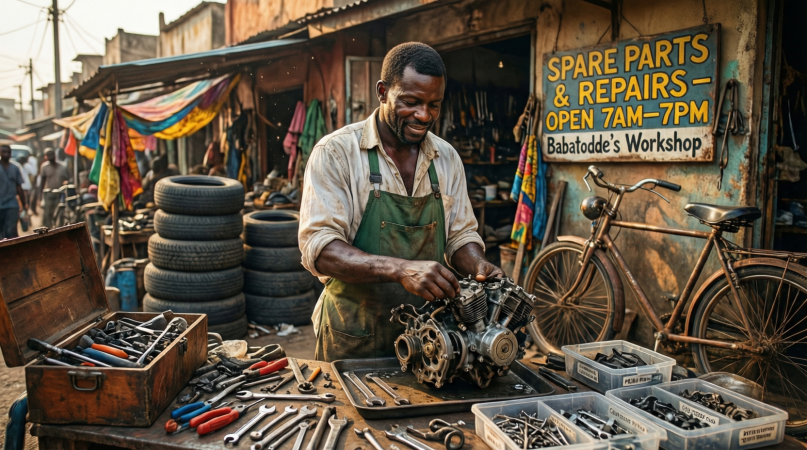
1. Spare Parts Business
There’s a reason those guys at spare parts markets spend money like it’s going out of style—because they’re making it hand over fist. This business might look unglamorous from the outside, but the profit margins tell a different story.
Here’s how it typically works: major dealers import containers full of automobile parts. Smaller operators buy portions of these shipments—sometimes individual motor components—at wholesale prices. They then turn around and sell to mechanics, auto repair shops, and car owners at retail markup.
Why the money is good:
- Nigeria’s growing vehicle population means constant demand
- Parts have significant markup potential
- You don’t necessarily need a physical shop
- Repeat customers are guaranteed (cars always need maintenance)
Many successful operators work directly from popular spare parts markets without renting dedicated shop spaces, acting as connectors between suppliers and buyers while pocketing healthy commissions.
2. Home-Based Hair Braiding
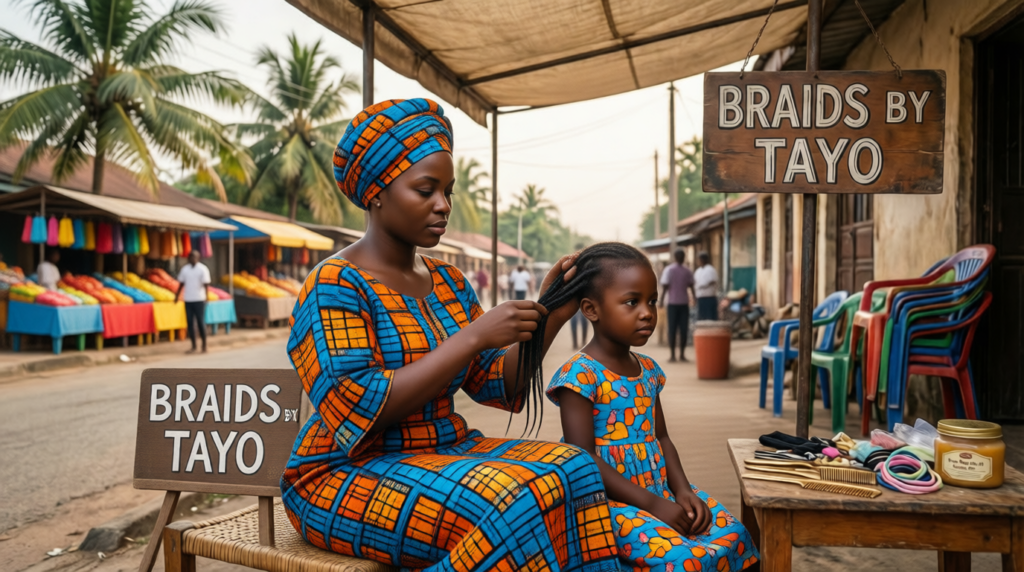
This opportunity shines especially bright for Nigerians abroad, though it’s profitable locally too. Women who braid hair from their living rooms—without any shop rent overhead—are literally supporting entire households on this skill alone.
The economics abroad are particularly compelling. Getting your hair braided in Western countries costs exponentially more than in Nigeria, yet there’s a shortage of skilled braiders. One client abroad can pay what you’d typically charge five clients back home.
Even in Nigeria, the rates have climbed dramatically. Professional braiding services can command anywhere from tens of thousands to over ₦300,000 depending on the style and intricacy. Whether you’re planning to relocate or staying put, mastering this craft could become your primary income stream.
3. Palm Oil Production and Trading

Palm oil represents one of Nigeria’s most underutilized wealth-building opportunities. The beauty of this business is that every single component generates revenue—the oil itself, the kernel, even the chaff. Nothing goes to waste.
Multiple ways to profit:
- Direct production if you have mill access
- Buy-and-sell trading during favorable market conditions
- Strategic storage: purchasing when supply is high and prices are low, then selling during scarcity when prices spike
The storage strategy particularly intrigues me. Traders who bought containers at ₦40,000-₦42,000 and sold at ₦50,000 made roughly ₦8,000-₦10,000 profit per container. Scale that across multiple containers monthly, and you’re looking at substantial earnings.
Palm oil is a kitchen essential across Nigeria. That consistent demand combined with price fluctuations creates reliable profit opportunities for those who understand the market cycles.
4. Truck Rental Services

People constantly need trucks: relocating homes, transporting furniture purchases, moving market goods, setting up events. Yet finding affordable, reliable truck rental remains surprisingly difficult in many areas.
The pricing tells you everything about profitability. Transporting a single wardrobe across Lagos can cost ₦60,000-₦70,000. Market women, event planners, and relocating families pay these rates because alternatives are limited.
If you can acquire even one or two trucks and manage them well, this business could generate consistent six-figure monthly income. The demand exists daily, and customers often become repeat clients—people who move once eventually move again.
5. Plumbing Services
Someone recently made a statement that stopped me in my tracks: “Plumbers earn twice as much as doctors.” While that might sound extreme, skilled plumbers genuinely command rates that many traditional professionals can’t match.
The market dynamics make sense when you think about it. While everyone’s pursuing tech careers and white-collar jobs, fewer people are learning essential trades like plumbing. Meanwhile, properties always need plumbing work—installations in new buildings, repairs in old ones, maintenance in commercial facilities.
Emergency plumbing calls especially command premium rates. Master this skill, build a reputation for reliability and quality work, and you’ll have more business than you can handle.
6. Car Wash (Particularly Mobile Services)

Traditional car wash businesses already make decent money, but the real innovation opportunity lies in mobile services. Think about it: busy professionals don’t have hours to drive somewhere, wait for their car to be washed, then drive back.
The mobile advantage:
- Wash cars at clients’ offices, homes, churches, or event venues
- Save customers massive amounts of time
- Charge premium pricing for convenience
- Lower overhead than fixed locations
- Easy to scale by hiring additional staff
Picture this: while someone’s in a three-hour meeting, you wash their car in the parking lot. They emerge to a clean vehicle without losing any personal time. That convenience is worth paying for, and it’s a model many entrepreneurs haven’t fully capitalized on yet.
7. Digital Products

This category deserves special attention because it’s genuinely transformed people’s financial situations, mine included. Digital products create what I call “leverage income”—you create something once, and it continues generating revenue indefinitely.
What counts as digital products:
- Ebooks and comprehensive guides
- Online courses and video tutorials
- Templates, planners, and organizational tools
- Stock photography or design assets
- Software applications
- Downloadable worksheets and resources
The economics are beautiful: no inventory costs, no storage fees, no shipping logistics. You create it once, set up automated sales systems, and earn while you sleep. Content created years ago continues making money today—that’s the power of digital products.
8. Frozen Food Business (Cold Room)

Visit any neighborhood cold room and observe the steady stream of customers. Individual families buying their weekly provisions, restaurants purchasing in bulk, caterers stocking up for events. The customer base is remarkably diverse and consistent.
Why this works:
- Frozen food is essential, not optional
- Both retail and wholesale opportunities
- Doesn’t require expensive market locations
- Year-round demand
The main consideration is power costs. Generator fuel or electricity bills will consume a significant portion of your revenue. But if you’re strategic about location (choosing areas with relatively stable power) or can manage energy expenses effectively, the business generates reliable income.
9. Thrift Clothing Business (Okrika)

Whether it’s perfumes, bags, corporate blazers, or casual wear, the thrift business remains one of Nigeria’s most accessible ventures with impressive profit margins.
Here’s what the numbers look like: items purchased at ₦500-₦1,000 retail for ₦3,000-₦7,000 depending on quality. That’s a 300-600% markup in many cases.
You can start small by carefully selecting choice items from larger vendors, then graduate to buying full bales once you understand what sells. Many successful thrift vendors specialize—focusing exclusively on blazers, designer jeans, children’s wear, or specific categories.
Fair warning: this business requires real work. You’ll spend time sorting through items, washing, ironing, photographing for social media, and actively marketing. But the financial returns justify the effort, especially once you develop an eye for quality pieces.
10. Mortuary and Funeral Services

This one genuinely surprised me, but it makes perfect sense when you consider the reality: death is inevitable, and grieving families will pay whatever’s necessary for dignified services.
Revenue opportunities in this sector:
- Operating mortuaries
- Working as mortuary attendants
- Manufacturing and selling coffins
- Providing embalming services
- Funeral planning and coordination
The reason this is so lucrative? It’s an unavoidable service with limited competition. Most people won’t enter this field, which means those who do face less competition and can charge accordingly. If you can handle the emotional and practical aspects of this work, the financial rewards are substantial.
11. Professional Massage Services

Massage has evolved from luxury to necessity for many Nigerians, particularly in urban centers. As stress levels rise and health consciousness grows, professional massage services are experiencing serious demand.
Different business models:
- Mobile massage (traveling to clients’ locations)
- Establishing a spa or wellness center
- Corporate contracts (servicing company employees)
- Hotel partnerships
The pricing can be significant. Group bookings for events easily run into hundreds of thousands of naira. Imagine booking services for 40 people at a corporate event or allocation ceremony—that’s potentially millions in a single contract.
Both individual practitioners running mobile operations and established chains with multiple locations are thriving. Success comes down to skill, professionalism, and understanding your target market.
12. Ponmo (Cow Skin) Business
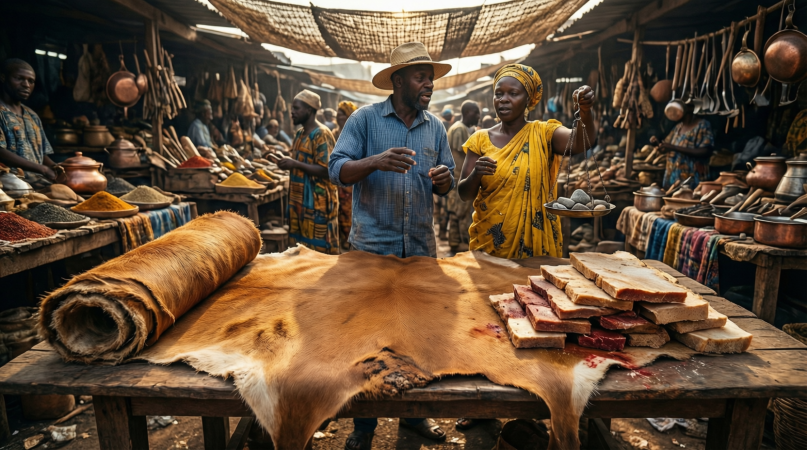
Before you dismiss this, consider the economics. Ponmo is a Nigerian cuisine staple consumed across all social classes. Whether fresh or dried, demand is constant and significant.
The price evolution tells the story: what used to cost ₦100 now runs ₦500-₦1,000 for comparable quantities. That’s dramatic price growth on a product with universal appeal.
The dried ponmo market has particularly expanded, with vendors specializing exclusively in this product line. Processing and storage are relatively straightforward, and the customer base is enormous.
It might not sound prestigious, but profit margins and demand consistency make it a legitimate wealth-building opportunity.
13. Charcoal Production and Export

Charcoal might seem like a basic commodity, but there’s sophisticated money being made here, particularly in the export market. Certain countries have substantial demand for charcoal, creating lucrative opportunities for Nigerian exporters.
Why this works:
- International buyers pay premium prices
- Domestic market also exists (restaurants, hotels with charcoal grills)
- Raw materials are readily available
- Growing global interest in natural fuel sources
Yes, it’s literally a dirty business—you’ll be dealing with soot and dust. But as they say, dirty businesses often generate clean money. If you can manage sourcing, processing, and export logistics, this could be remarkably profitable.
14. Keke (Tricycle) Transport

Let me share something eye-opening: operators report making ₦300,000 in just 10 days from keke business. Think about that for a moment.
Research indicates less than 10% of Nigerian salary earners make ₦200,000 monthly. Yet keke operators are clearing ₦300,000 in a third of that time.
Why transport thrives:
- Daily necessity for millions of Nigerians
- Multiple income streams (passengers, goods delivery)
- Scalable from one vehicle to an entire fleet
- Consistent daily cash flow
The primary challenge is management if you’re not personally operating the vehicle. Finding trustworthy drivers and dealing with maintenance issues creates real headaches. But if you can solve the management puzzle or operate it yourself, the financial returns are compelling.
15. Professional Dancing and Entertainment

Dancing has quietly become big business in Nigeria. Not just performing at parties, but structured professional services for various events and purposes.
How dancers generate income:
- Corporate events and conferences
- Fitness instruction (aerobics, Zumba, dance fitness)
- Wedding and party performances
- Music video appearances
- Managing and booking dance crews
Event organizers regularly hire professional dance crews for large gatherings. These aren’t small fees either—a quality crew for a major event commands rates in the hundreds of thousands of naira.
You don’t necessarily need to be the performer yourself. Managing a dance crew, choreography services, or booking entertainment are all viable business models in this space.
16. Female Barbers

This represents a genuinely underserved niche. Female barbers are relatively rare, which creates interesting market dynamics. Some men specifically prefer services from female barbers, while the novelty factor alone attracts initial customers.
The business case:
- Differentiation through rarity
- Ability to charge premium for specialized service
- Opportunity to build unique brand identity
- Growing acceptance and demand
The critical factor is skill. Gender becomes an asset rather than limitation once you’ve mastered the craft and deliver excellent service. As with any service business, reputation and consistency drive long-term success.
Common Patterns Worth Noting
Looking across these 16 businesses, several themes emerge:
Services dominate the list: Most of these are service-based rather than product-based, meaning lower startup capital requirements and faster time to profitability.
Social stigma creates opportunity: Businesses people consider “beneath them” often have less competition, which means better profit margins for those willing to participate.
Essential services command premium pricing: When you solve unavoidable problems—plumbing emergencies, funeral needs, daily transportation—people pay what’s necessary.
Convenience is increasingly valuable: Mobile services and time-saving solutions can charge significant premiums over traditional models.
Skills often matter more than capital: Many of these require developing specific skills more than having large amounts of money, making them accessible even with limited funds.
Making Your Move in 2026
The businesses on this list are actively making people millions right now. The question isn’t whether these opportunities are real—the question is whether you’re willing to pursue profit over prestige.
Consider these questions:
- Which business aligns with skills I have or could develop?
- Which has strong demand in my specific area?
- What capital could I realistically access to start?
- Am I willing to do work others avoid for the financial rewards it provides?
Sometimes the path to wealth requires checking your ego at the door and focusing purely on market demand and profit potential. The business that seems unglamorous might be exactly the one that transforms your financial situation.
Which of these businesses surprised you most? Which one are you seriously considering? Share your thoughts as a business expert use the link here to create your free account or you can use the comments—let’s discuss the possibilities. All images in the article was generated with Qwen Ai and Canva.

Author: Perpetual Iyere
I am a magnetic writer who specializes in vast genres of creative writing with a flair of words that resonate in sensational poetry, stories (fiction and nonfiction) content and script writing. I often write on Twitter and Medium @Iyere Perpetual.